With over 23,000 monthly online searches for summer camps, it can be tricky to find the right option for your child’s developmental and recreational needs.
This guide is here to help you sort through the noise. We’ll compare the different types of summer camps available in 2026, highlight the advantages of a gymnastics summer camp, and outline its framework.
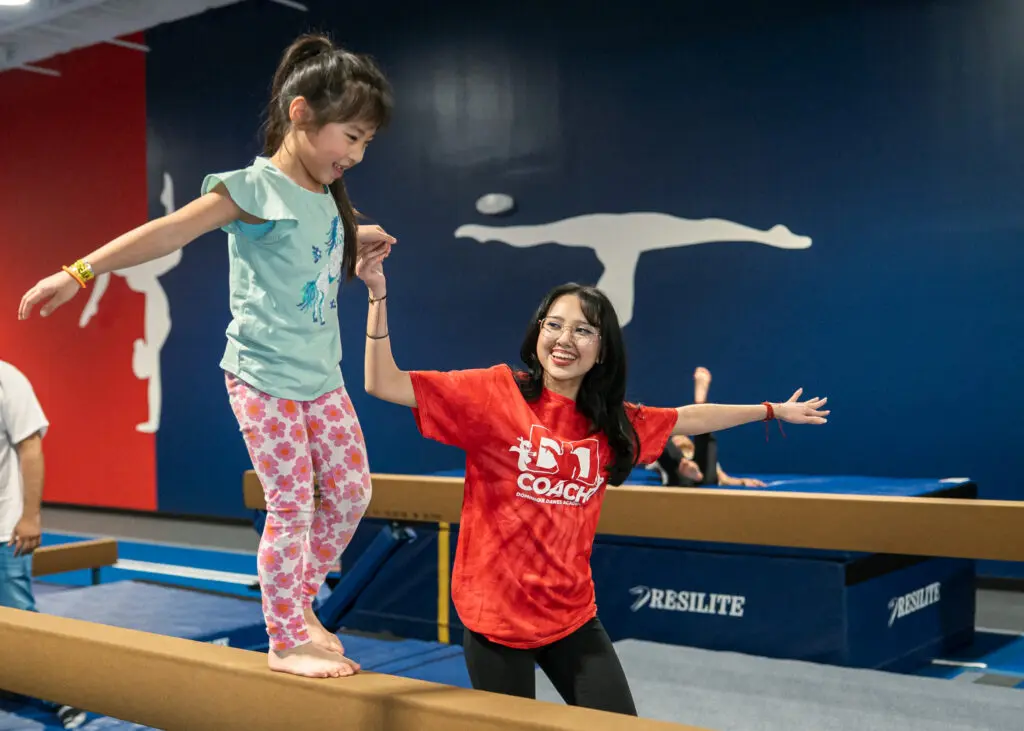
At Dominique Dawes Gymnastics Academy, we approach summer camps with joyful energy. Dominique Dawes’ Olympic background means your child will spend their time in an environment where flexibility and consistency are central to the summer camp experience.
Understanding Different Types of Summer Camps Available in 2026
There are more than 14,000 summer camps across the U.S., most of which fall into one of six categories. Most camps run in one-week sessions, making it easier for families to try different options.
Here’s how the most common summer programs for kids compare at a high level:
Camp Type | Typical Age Range | Weekly Cost Range | What the Experience Feels Like |
|---|---|---|---|
Day Camps | 4–12 | $100–300 | Flexible schedule with mixed activities and frequent transitions |
Sports Camps | 6–14 | $200–500 | Skill-based with repetition and progression built into the day |
Arts Camps | 6–14 | $200–400 | Creative focus with project-based structure |
STEM Camps | 7–15 | $250–600 | Classroom-style learning with hands-on problem solving |
Adventure Camps | 8–16 | $300–700 | Outdoor-focused with longer activities and group challenges |
Specialty Camps | 5–14 | $300–600 | Focused programs like gymnastics with consistent skill-building |
Day Camps vs. Specialty Sports Camps
Day camps are accessible and fit into most schedules. Available through park districts or the YMCA, day camps usually serve larger groups and move quickly between recreational activities like games and crafts. While the variety keeps kids entertained, their days often reset rather than build consistent skill development.
Sports camps offer a different pace. While there is still time to break and reset, the focus remains consistent through the day, allowing kids to progress in their sport over time.
Academic vs. Physical Activity Summer Programs
Academic camps feature lessons and guided activities for children at different developmental stages or those who need extra learning support.
Sport-focused options, on the other hand, give children a break from the academic environment. Sport summer camps for kids feature programs built around movement, teaching them a different way to stay engaged by learning through physical activity.
Age-Appropriate Camp Selection Guidelines
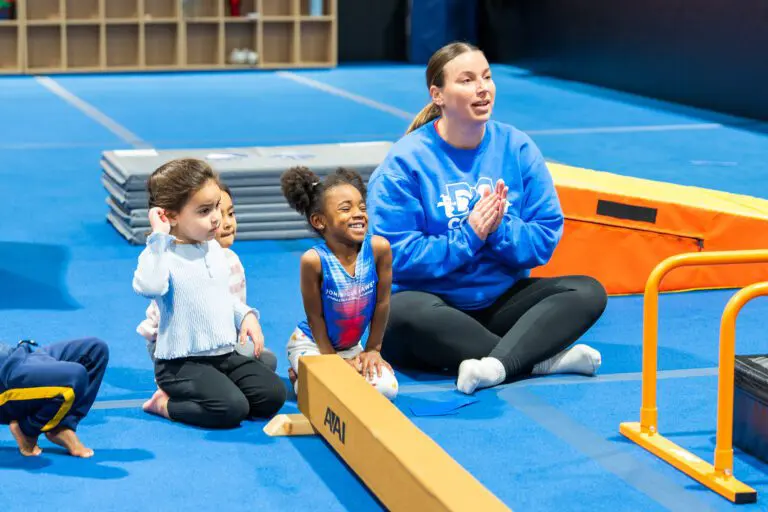
Younger kids (ages 3-5) usually do better in shorter sessions with a simple structure. Toddler gymnastics, for example, is designed to introduce movement without overwhelming.
As kids get older, they stay engaged longer when there is a goal to work towards. That shift becomes more influential in later age groups (6-8, 9-12, and 13+) when progress is dictated by achievement.
The Proven Benefits of Summer Camps for Child Development
According to the American Camp Association, kids in structured summer camp environments show measurable gains in confidence and independence when programs progress.
The benefits of summer programs for kids include:
Physical Development
Movement starts to look more controlled and intentional.Social Growth
Kids become more comfortable around new people.Independence
Children rely less on constant direction throughout the day.Routine
Days feel more consistent, which helps develop healthy habits.Confidence
Kids approach new situations with less hesitation.
Physical Development and Motor Skills Enhancement
In a structured gymnastics summer camp program, kids become more aware of how they move, making everyday physical activity feel more natural and controlled. Paired with beginner gymnastics exercises at home, this establishes a foundation for positive physical progress between sessions.
Social Skills and Independence Building
Summer camps feel different from school. Like birthday parties, they offer new opportunities for children to get comfortable around others. Instead of a teacher, they’ll work with a camp counselor who guides social interactions but gives kids space to figure things out on their own.
Academic Skill Retention During Summer Months
One of the biggest concerns during summer is losing momentum. While camp does not look like a classroom, it still keeps kids engaged in ways that support focus and consistency. That steady engagement makes the transition back into a school routine much easier.
How to Choose the Perfect Summer Camp for Your Child
Finding the best summer camps for kids depends on a few key factors:
Location
Choose something close enough to keep mornings and pickups manageable.Schedule
Look for a class structure that fits your routine—not too rushed and not too long.Activities
Programs should balance variety with focus.Cost
Choose a summer camp that fits your budget without sacrificing quality.
Essential Questions to Ask Camp Directors
Most camps offer a general program overview, but a few pointed questions can paint a much clearer picture of the experience:
How is the day structured from start to finish?
How are staff trained, and what kind of experience do they have?
How do you handle kids who need extra support settling in?
What is the staff-to-child ratio?
What happens if a camper loses interest during the day?
How do activities build from one day to the next?
Budget Planning and Financial Considerations
Camp pricing can vary depending on the type of program and its structure. General day camps are often the most affordable, while more specialized programs tend to cost more because of smaller group sizes and more focused instruction.
Shorter sessions can work well for younger kids, while older campers usually do better with a full day that gives them time to settle in and stay engaged. Some programs even offer flexible options, which are perfect for families trying to balance work schedules or for those trying out a camp before committing.
Evaluating Safety Standards and Certifications
Safety should be the highest priority at summer camp. Verify that the program you choose has the proper safety certifications and emergency procedures in place and that the staff have met all background check requirements.
Why Gymnastics Summer Camps Offer Unique Advantages
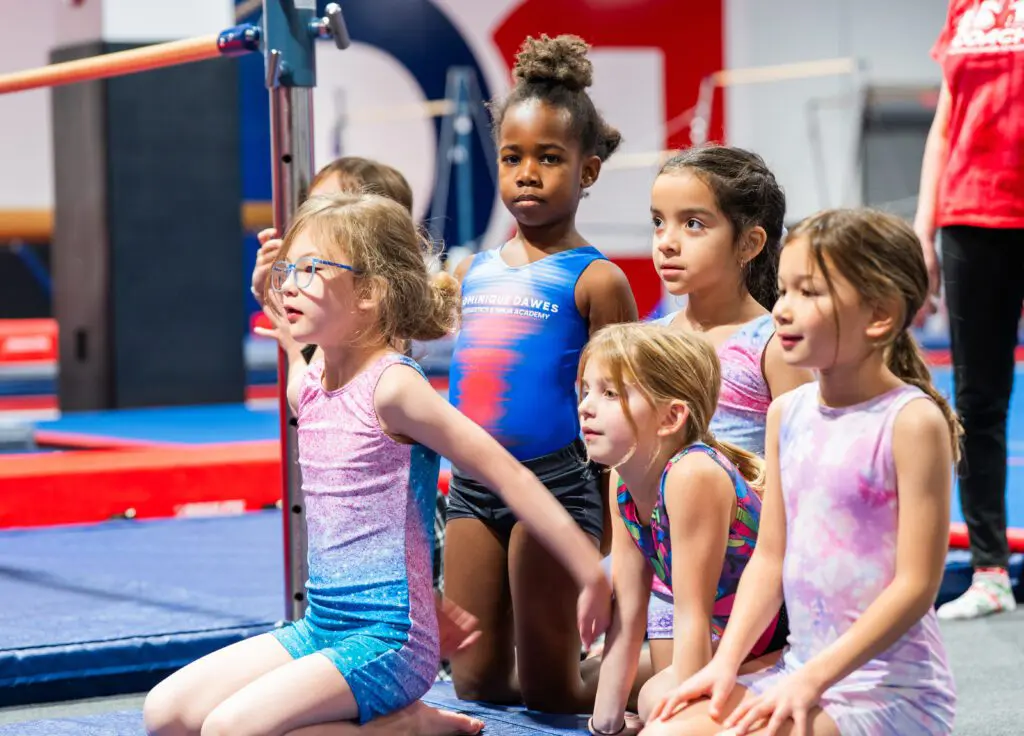
At a structured gymnastics summer camp, schedules are built around steady progress without sacrificing variety.
Campers don’t just move between activities. They work through a process that builds, even when the format changes. That balance is what keeps them engaged and makes the week fulfilling when it’s over.
Comprehensive Physical Development Through Gymnastics
Gymnastics combines strength, balance, and coordination in a way that most sports do not. Instead of focusing on one skill at a time, kids are constantly working through connected movements and coordination development.
Building Confidence Through Achievement and Goal-Setting
Confidence tends to grow when kids can measure their progress. Over time, they’ll stop seeking external validation and start trusting their own achievements.
The Dominique Dawes Advantage: Olympic-Level Training Philosophy
Gymnastic summer camp is more than just burning energy. Dominique Dawes’ Olympic success influences the design of our gymnastics summer camp programs. We focus on steady consistency and development, giving our campers the space and time to see a positive change in themselves.
What to Expect: A Day in the Life at Summer Camp
From dropoff to pickup, days are structured to promote development without the monotony.
Morning Activities and Warm-Up Sessions
The day usually starts with a quick check-in and a light warm-up to help kids ease in and get comfortable. This gives them a chance to settle into the space without feeling rushed, making the transition into the rest of the day feel more natural.
Skill Development and Training Blocks
Instead of jumping from one activity to another, the day is broken into blocks. This often means rotating through stations that connect back to the focus activity, staying active while still building on previous skills learned.
Fun Activities, Games, and Social Time
There are also built-in breaks for games, group play, and other recreational activities, which help keep the day from feeling too structured. Some camps include field trips during the week while others keep everything on-site with activities like ninja training classes mixed in to keep the day active and engaging.
Preparing Your Child for Summer Camp Success
Getting ready for camp doesn’t have to be a big production, but a little preparation can manage anxiety.
Pre-Camp Preparation and Expectation Setting
Review what the day might look like ahead of time. Keep the language simple for your child to know what to expect without overthinking it. A little bit of familiarity can help them feel more comfortable when they walk in.
Essential Items to Pack and Safety Considerations
Bring comfortable clothes, a water bottle, and a snack if needed. Keeping things simple helps campers focus on the experience rather than worrying about the little details.
FAQs
What age is appropriate for summer camp?
Most camps start around age 3, with programs designed to match different stages. Younger kids tend to do better in shorter sessions, while older kids can handle more structure and longer days.
How much does summer camp typically cost?
Costs vary depending on the type of camp. General day camps are usually more affordable, while specialized programs tend to cost more because of smaller groups and more focused instruction.
What should I look for in camp counselors?
Look for staff who are experienced and certified to work with kids. Staff-to-child ratios should be age-appropriate (1:6 for younger children).
How do I know if my child is ready for summer camp?
If your child is comfortable spending a few hours away from home and shows interest in being around other kids, they are usually ready for summer camp.
What makes gymnastics camps different from other sports camps?
Gymnastics summer camp programs focus on overall development rather than a single skill, helping kids stay engaged while building strength, coordination, and confidence over time.