The final school bell rings, the backpack comes off, and suddenly you have a whole afternoon ahead of you. Snack? Homework? Practice? Maybe 15 minutes on the couch doing absolutely nothing?
You don’t have to turn those hours into a perfectly planned schedule. After-school activities for kids should leave room to recharge, move, and have some fun, with enough flexibility for whatever kind of afternoon your child is having.
General Guidelines: After-School Activities for Kids
- Give kids a chance to reset: A snack, a little free time, or even the ride to their next activity creates some breathing room between school and the rest of the afternoon.
- Make movement part of the week: Kids ages 6–17 should get at least 60 minutes of physical activity each day, and after school gives families plenty of ways to work toward that goal.
- Build a repeatable routine: A good week should include healthy routines and leave room for movement, homework, dinner, and downtime at home.
At Dominique Dawes Academy, we see how much kids enjoy having an outlet after a day in the classroom. Founded by three-time Olympic medalist and mom Dominique Dawes, we help kids become happy, active, and strong. In this guide, we put that same energy into building an after-school routine that works for your family.
What Makes a Good After-School Activity for Kids?
There are plenty of ways to fill an afternoon. As you weigh the options, look for:
- Something They Enjoy: Start with what excites your child. If they look forward to something specifically, you’re already off to a good start.
- The Right Level of Challenge: Kids should be stretched without spending every class frustrated or trying to catch up.
- Room to Grow: New skills give kids something to work toward and plenty of those exciting “I did it!” moments along the way.
- A Schedule That Works: Even a great activity can become a headache if getting there turns every Tuesday into a race against the clock.
Physical vs. Enrichment vs. Social Activities — Why the Mix Matters
Kids benefit from a variety of activities throughout the week. Movement gives them an outlet for their energy, enrichment activities like art, music, or STEM let them explore other interests, and group activities create opportunities to connect with peers outside the classroom.
Age-Appropriate Considerations (Elementary vs. Middle School)
For elementary-age kids, activities often click when instructions are easy to follow, there’s plenty to keep them engaged, and they get small wins along the way. Learning a new skill or simply being brave enough to try can give them a reason to look forward to next week.
Middle schoolers are often ready for more ownership. They may enjoy working toward new levels, developing a skill they care about, or finding a group where they feel comfortable.
Why Movement Should Anchor Your After-School Routine
Kids spend hours in a classroom sitting and concentrating. When the bell rings, it’s important to have somewhere to spend that pent-up energy.
The CDC recommends that kids ages 6–17 get 60 minutes of physical activity each day. That doesn’t mean you need to find another hour in an already busy afternoon. Recess, active play, sports, and structured classes can all contribute throughout the day.
Physical Activity and Academic Performance
Physical activity can support attention and memory. Gymnastics brings an added mental challenge. As kids coordinate their bodies, remember sequences, and figure out where they are in space, the cognitive benefits of gymnastics develop right alongside the physical ones.
Movement, Sleep, and the After-School Window
Regular physical activity supports better sleep, making the after-school hours a good time to move well before bedtime. A class, playground stop, or active time outside can fit that movement into the day without pushing it into the evening wind-down.
Emotional Regulation and the “Decompression Effect”
Kids spend all day being told where to sit, when to listen, and what comes next. Giving them a chance to move afterward can be a welcome reset. The environment matters too. They should have room to try, laugh, and burn off some energy without feeling like they’ve walked into another classroom.
How to Build a Healthy After-School Routine
After-school routines should make afternoons easier, not add another schedule for your family to perfect. Start with a few dependable pieces, then adjust them around your child’s energy, schoolwork, and after-school programs already on the calendar.
- Give Them Time to Transition: Going straight from school into another task can be a tough switch. Give your child about 15 minutes for a snack, free time, or a quiet ride so they can reset.
- Give Movement a Place on the Calendar: Pick something your child enjoys and your family can realistically stick with. A class might anchor a couple of afternoons, with outdoor play or a bike ride filling in the days between.
- Try Movement Before Homework: After sitting and concentrating at school, moving first can help kids shift gears before returning to focused work. On busy evenings, even 20 or 30 minutes of active play can fit the bill without squeezing another full activity into an already packed schedule.
After School Activity Ideas That Support the Whole Child
The right activities for kids after school vary from child to child. Some kids are ready to burn off energy when the bell rings. Others would happily spend the afternoon drawing or building something. Here are a few ideas for putting those interests to good use.
Movement and Physical Activities (Highest-Leverage Category)
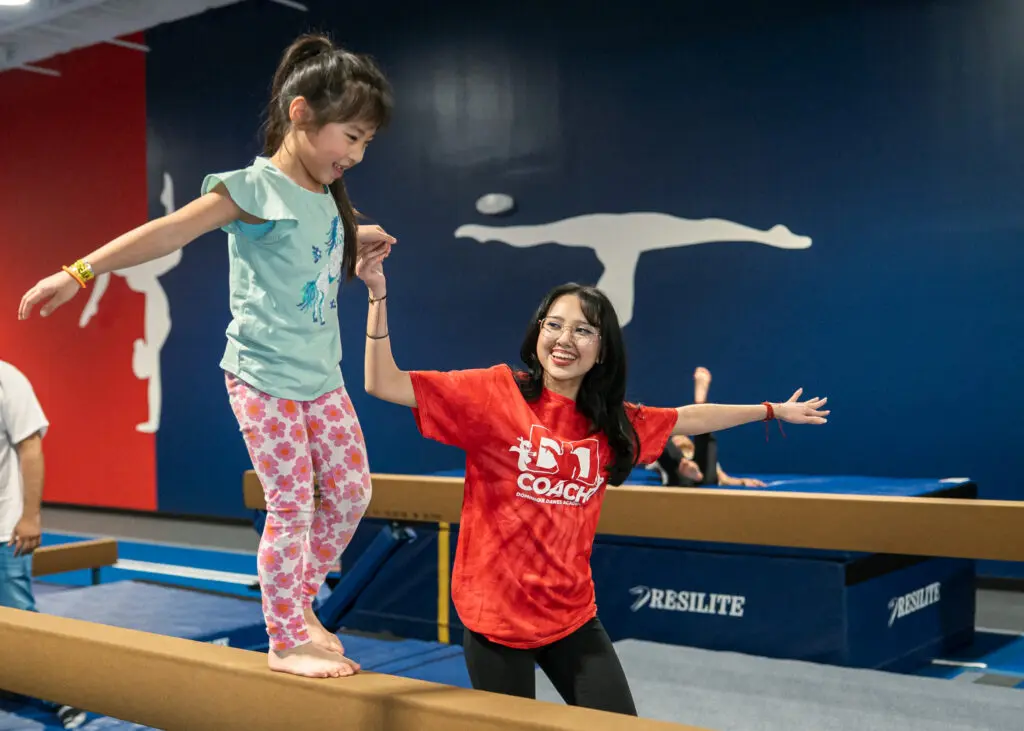
- Gymnastics: Perfect for kids who seem to turn every open patch of floor into a place to tumble. They can build strength and body awareness while working toward new skills, and beginner gymnastics exercises can keep them moving between classes.
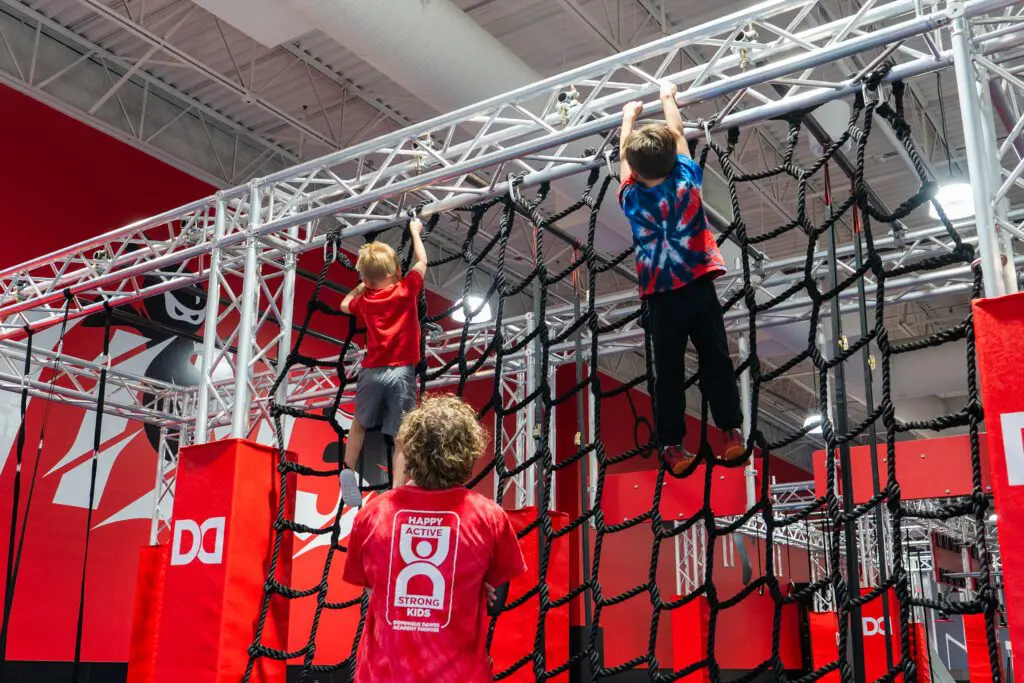
- Ninja Training: Obstacle courses add problem-solving to all that running, climbing, and jumping. Ninja classes for kids can be especially appealing to little ones who enjoy testing themselves without the traditional team-sport format.
- Dance: Music and movement come together as kids develop coordination while finding their own way to express themselves.
- Swimming: Swimming provides full-body exercise with less impact on the joints and gives kids a practical skill they can continue developing over time.
Creative and Enrichment Activities
- Art and Pottery: A good change of pace for kids who would rather pick up a paintbrush than race across a gym. They get to slow things down and make something that’s completely their own.
- Music Lessons: Learning an instrument or practicing voice gives kids a skill they can build on over time, with practice becoming part of the routine between lessons.
- STEM and Coding Clubs: For the kid who is always asking how something works, these programs turn curiosity into solvable problems.
Social and Team-Based Activities
- Group Classes: Gymnastics, ninja, dance, and similar classes let kids work on individual skills while still sharing the experience with other children.
- Team Sports: Soccer, basketball, baseball, and other sports give kids regular opportunities to cooperate with teammates and work toward shared goals.
- Scouting and Community Groups: These programs can give kids a sense of belonging while introducing new experiences outside their usual school circle.
Finding the right activity can take a few tries, and honestly, that’s half the fun. Maybe your child is already cartwheeling from room to room, or the second they see an obstacle course, they’re off and running to be the fastest to beat it.
Explore Dominique Dawes Academy’s after-school activities for kids and find a place where they can move, build confidence, and have plenty of fun along the way. The best part? Seeing them leave class already excited to come back.
FAQ — After School Activities for Kids
How Many After-School Activities Should a Child Do Per Week?
There’s no magic number of activities a kid should do. If your child still has time to relax and enjoys what they’re doing, you’re probably in a good spot. If every afternoon feels rushed or an activity has become something they dread, it may be time to lighten the schedule.
What Is a Good After-School Activity for Kids Who Don’t Like Team Sports?
Look for activities where kids can make individual progress while still being around others. Gymnastics, swimming, martial arts, and ninja classes can give kids physical challenges without tying their success to a team score.
How Do I Find After School Activities for Kids Near Me?
Start with your child’s interests, then look at nearby schools, recreation centers, community organizations, and activity providers. Dominique Dawes Academy has locations in several communities, making gymnastics and ninja options available to families in Maryland, Virginia, Georgia, and Texas.
What After School Activities Can Help Kids Focus on Homework?
Activities that get kids moving can be a good place to start. Physical activity can support attention and function, while activities that involve learning sequences or coordinating movements give kids another way to use those mental skills.
At What Age Should Kids Start After-School Activities?
It depends on the activity and your child’s readiness. Some movement programs begin before elementary school, including toddler gymnastics designed around how younger children learn and move. As kids get older, their interests can play a bigger role in deciding what earns a spot in the weekly routine.